 It’s been 60 years since I spent all day every day in a school building. And yet when September rolls around I get that “first day of school” excitement all over again. To me, September feels more like the time for a fresh start than January ever does. I have to rein in my shopping excursions this time of year, however, because I have a real weakness for new pencils and pens, lined notebooks, and everything else stores set out in their back-to-school displays. I’m still enjoying a purple folio I bought one year because…well, because it was purple with a purple legal pad inside. Who could resist?
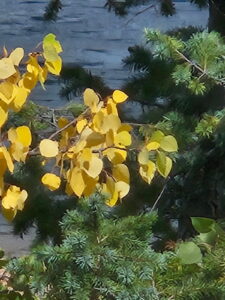
Beyond the back-to-school feeling, however, are all the refreshing signs of change. My Virginia Creeper begins to take on shades of orange and gold. The tips of the leaves on the red maple behind our house hint at the bright ruby brilliance soon to come. And there’s always that one day in the fall when the light becomes noticeably different. Rather than the sun beaming down with a harsh glare, a more peaceful, golden light descends upon our world. Such a beautiful and peaceful change.
And don’t we need this season to recover from the hectic pace of summer and restore our souls to prepare for the winter to come? Maybe it’s because we remember the chilling winds and icy roads winter brings that we savor every golden September day. Autumn days are just too precious and fleeting to spend them holding on to summer or fearing what’s to come. Rather they bring an opportunity to take a deep breath or two, clip the last of the roses to bring in the house, and curl up on the back porch with a light blanket and an uplifting book.
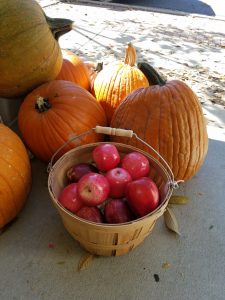 We hear a lot about New Year’s resolutions in January, but fall is an even better time to reflect on the months of the year behind us and embrace changes that refresh us before we head in to the holiday season. If you find joy in de-cluttering your office or culling clothes from your closet, fall’s the time to do it. If you want to replace the grab-and-go meals of summer with some hearty stews and soups or pumpkin-flavored everything, now’s the time. Refresh family menus with some new recipes from those seldom opened cookbooks!
A praise hymn by Daniel Iverson contains the lyric, “Spirit of the Living God, fall afresh on me.” I want to be still long enough this fall season to feel the renewal of the Spirit within me. Then I’ll have a chance of falling afresh in to the new season with joy and hope.
(Readers ask if it’s OK to share my posts. Of course it is! And please remind your friends that they can subscribe for free.)
 I had my first manicure in a nail salon when I was in my late fifties. I only went then because my two little granddaughters who were visiting one summer wanted to go. When the woman who answered the phone said she would give the girls a “free flower” I thought that was very kind and expected them to come home with a long-stemmed rose or a carnation but no, it was a daisy painted on each small thumbnail.
 I actually overheard her offering a job to someone. They were negotiating salary, vacation time, job title, etc., and everyone in the salon could follow along with each discussion point. In the end the fellow on the other end of the phone evidently said he’d talk to his wife and let her know, so we were all left wondering if he took the job. It’s been a while since I was in the corporate world, but is this the new business etiquette? I hope not.
 I was born a patriot and I will die a patriot. Patriot is not a derogatory label to me. It’s one I wear proudly. The official definition is “one who loves, supports, and defends one’s country.” Yep, that’s me. I’m a patriot.

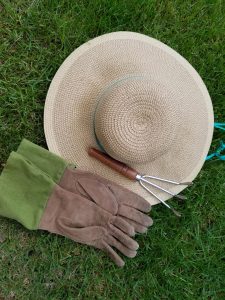 By this time of year almost everyone is into gardening. Or is what you do really “yardening” instead? There’s a difference, you know.
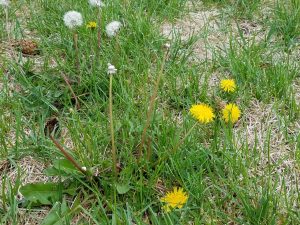 Of course gardeners don’t have to deal with dandelions because, you guessed it—they don’t have any. The anti-weed substance spread with their lawn fertilizer takes care of them. Yardeners, on the other hand, wield little spray bottles of environmentally friendly “Dandelion DOA,” and pop each stubborn dandelion root up with an old screwdriver. (The screwdriver conveniently fits in the back pocket of the cut-off jeans and is equally useful for setting the choke on the lawn mower.)